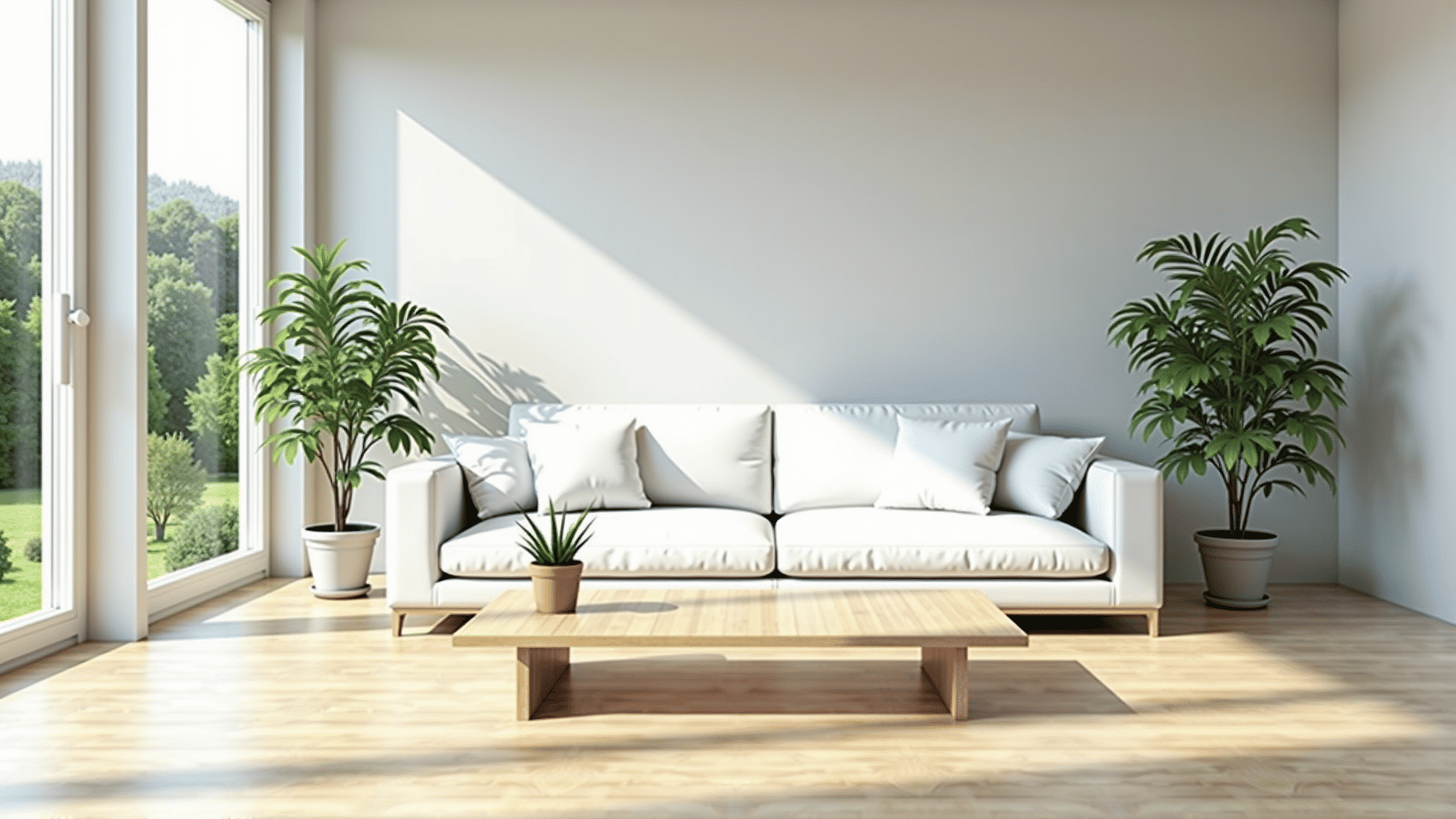
Minimalist furniture design is gradually carving its niche in Austrian homes, radiating a unique blend of simplicity, functionality, and elegance. This design philosophy, rooted in the belief that less is more, embraces a clean aesthetic devoid of unnecessary embellishments. The rise of minimalist furniture is not just a result of changing aesthetic preferences but also a reflection of a broader cultural shift towards sustainability and mindfulness.
Austrian households, traditionally known for their rich cultural heritage and classic interiors, are increasingly embracing the minimalist ethos. This shift is manifesting in spaces that emphasize clarity, light, and openness, allowing homeowners to cultivate a sense of tranquility and harmony. The minimalist approach to design is characterized by its focus on essential elements, prioritizing quality over quantity, which resonates deeply with the Austrian penchant for craftsmanship and durability.
One of the key elements driving the popularity of minimalist furniture in Austria is its adaptability and versatility. Minimalist pieces, with their neutral tones and sleek lines, easily blend with various interior styles, offering a refreshing clarity to spaces regardless of existing décor. This versatility allows homeowners to de-clutter and optimize living spaces while maintaining an effortless and timeless look.
Functionality is another core aspect of minimalist furniture design. Each piece is conceived with multipurpose use in mind, catering to modern needs while maintaining an elegant aesthetic. For instance, convertible sofas, extendable tables, and modular shelving units demonstrate how minimalist design can enhance daily living by maximizing utility without compromising style.
The minimalist design movement also dovetails with Austria’s growing environmental consciousness. The demand for sustainable materials and ethically produced furniture is at an all-time high, with consumers preferring products that are not only long-lasting but also have minimal environmental impact. Locally sourced wood, reclaimed materials, and eco-friendly finishes are gaining traction, reflecting a collective commitment to ecological responsibility.
Moreover, minimalist furniture fosters a mindful approach to interior decoration, encouraging a deeper appreciation for space and the items within it. By paring down to only what is essential, residents learn to cherish their possessions, fostering a connection with their environment and promoting a serene ambiance.
Internationally renowned Austrian designers and design houses are playing a pivotal role in this movement, merging traditional craftsmanship with minimalist modernism. Their innovative creations are celebrated for maintaining clean lines and exquisite detailing, heralding a new era of design that pays homage to Austria's rich cultural legacy while paving the way for the future.
In conclusion, the rise of minimalist furniture design in Austrian homes is not merely a trend but a paradigm shift towards simplicity and intentional living. The convergence of aesthetic minimalism and practical functionality resonates with modern lifestyle values, pushing the boundaries of traditional Austrian design. As more Austrians embrace these principles, minimalist design is expected to continue its ascent, symbolizing a harmonious blend of past, present, and future.