In recent years, the global conversation surrounding sustainability and environmental conservation has gained significant momentum, permeating various industries, including the furniture sector. Austria, known for its rich cultural heritage and dedication to the environment, is experiencing a notable shift in consumer preferences towards sustainable furniture. This growing trend reflects a broader commitment to eco-friendly practices and materials aimed at reducing environmental impact and promoting a more sustainable future.
The demand for sustainable furniture in Austria is fueled by a more conscientious consumer base, who are increasingly aware of the ecological footprint associated with their purchasing decisions. As a result, many Austrian consumers are prioritizing furniture that not only meets their aesthetic and functional needs but also aligns with their environmental values.
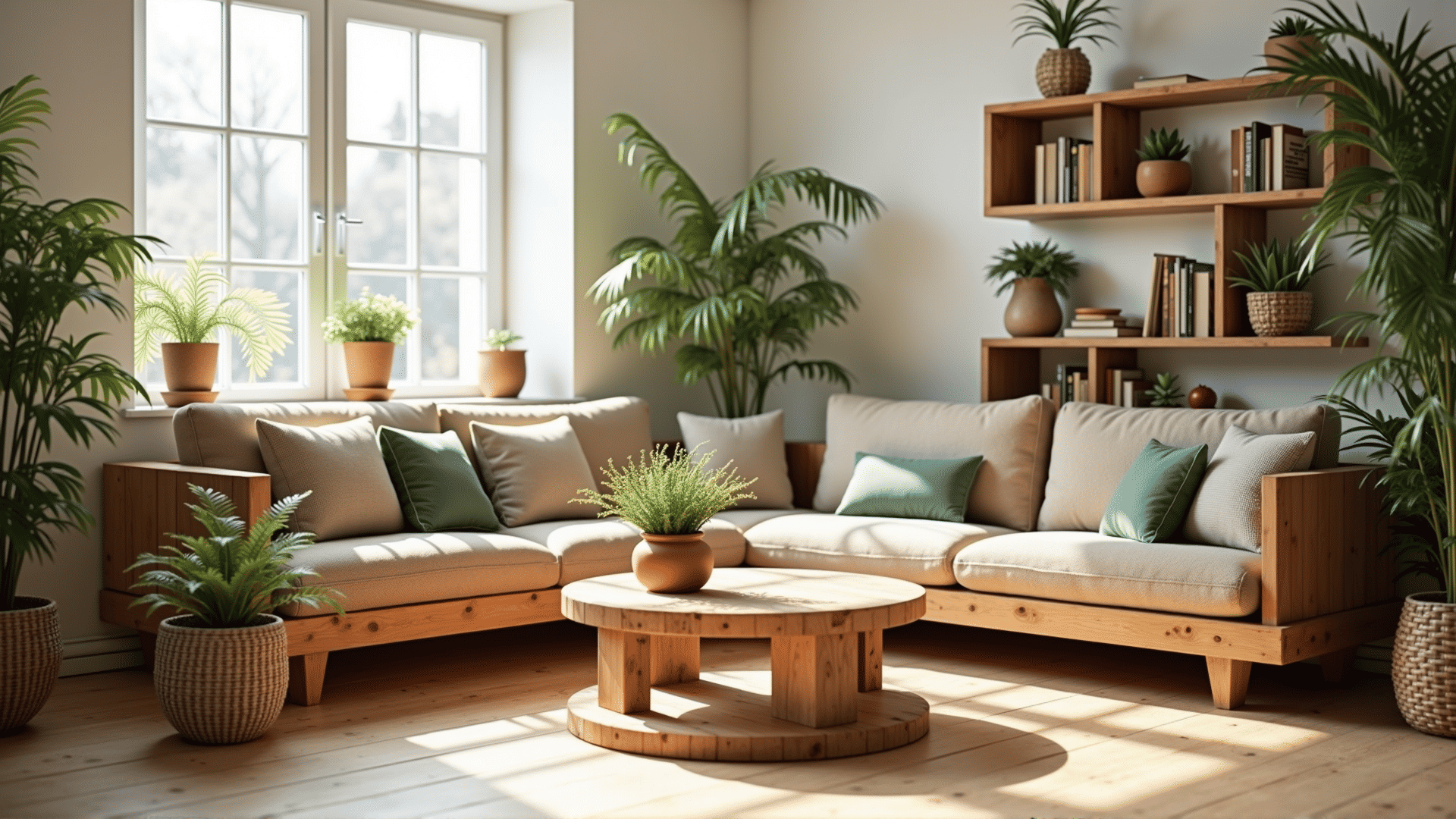
One of the most significant aspects of sustainable furniture is the use of eco-friendly materials. These materials are selected for their minimal impact on the environment and their ability to be recycled or biodegraded. For instance, solid wood from responsibly managed forests is commonly used, ensuring that deforestation is kept in check and biodiversity is preserved. Additionally, manufacturers are increasingly turning to reclaimed wood, which repurposes old timber from demolished buildings or furniture, reducing the need for new raw material extraction.
Beyond wood, there is a growing interest in alternative materials such as bamboo, rattan, and hemp. Bamboo, for instance, is a highly sustainable resource due to its rapid growth rate and minimal need for chemicals or water during cultivation. Similarly, rattan and hemp offer versatile options for furniture makers, with each material boasting natural durability and ease of cultivation.
Sustainable practices in furniture manufacturing are also gaining traction in Austria. Production processes that minimize waste, reduce energy consumption, and employ non-toxic finishes are becoming standard industry practices. Furniture makers are increasingly adopting closed-loop manufacturing models, where waste materials are reincorporated into the production cycle—an approach that not only conserves resources but also mitigates pollution.
In addition to environmental considerations, sustainable furniture is often prized for its quality and craftsmanship. Sustainable furniture manufacturers in Austria tend to focus on producing pieces that are built to last, with a timeless appeal that defies the throwaway culture associated with fast furniture. This dedication to longevity ensures that each piece remains an integral part of a home for generations, further reducing the need for frequent replacements and thus decreasing overall environmental impact.
Consumers are also drawn to the transparency and ethical practices associated with sustainable furniture brands. Many such brands in Austria provide detailed insights into their sourcing, manufacturing, and delivery processes, building trust and loyalty among consumers who are keen to support ethical enterprises.
The rise of sustainable furniture in Austria is supported by government initiatives and certifications that promote responsible consumption and production. Labels such as the Austrian Ecolabel recognize furniture that meets strict environmental and quality standards, guiding consumers in making informed decisions about their purchases.
In conclusion, the growing trend of sustainable furniture in Austria is a testament to the country's commitment to environmental stewardship and responsible consumption. As consumers become more environmentally aware, the demand for furniture that harmonizes with nature rather than depletes it continues to rise. By embracing eco-friendly materials, sustainable manufacturing practices, and ethical standards, Austria is not only paving the way for a greener future within its borders but also setting a benchmark for global sustainability in the furniture industry.