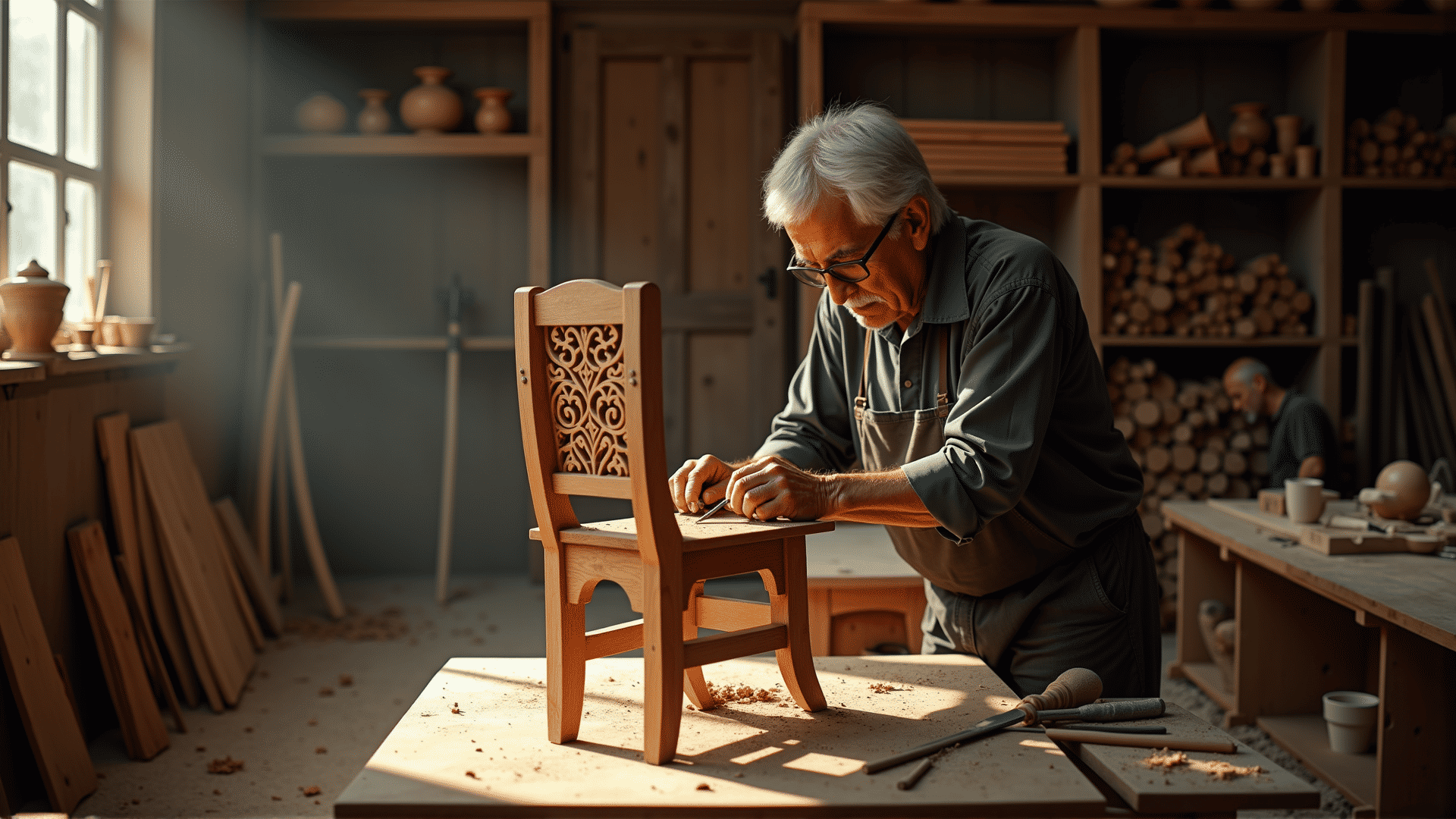
In an era dominated by mass production and rapidly changing trends, there is a growing appreciation for the enduring value of handcrafted goods. These items stand out not only for their unique beauty but also for the skill and dedication that go into their creation. Each piece crafted by skilled artisans tells a story—a testament to the traditions, techniques, and meticulous attention to detail that define handmade quality.
At the heart of every handcrafted item is the artisan's expertise. These individuals dedicate years, sometimes even lifetimes, to mastering their craft. Whether working with wood, metal, textiles, or ceramics, artisans bring a deep understanding of their materials and techniques to each creation. Their hands become both the tools and the signature, leaving an indelible mark on every piece that showcases their personal style and vision.
One of the distinguishing features of handcrafted goods is their distinctiveness. Unlike mass-produced items, handcrafted pieces vary, each bearing small, unique differences that highlight their individuality. These variations offer a charm and authenticity that manufactured goods often lack, providing consumers with a product that is truly one-of-a-kind. Owning such items not only supports artisans but also connects us to a rich heritage of craftsmanship that spans generations and cultures.
Quality is a cornerstone of handcrafted goods. Skilled artisans are committed to ensuring that every detail meets the highest standards. From selecting the finest materials to executing intricate design elements, nothing is overlooked in the pursuit of excellence. This dedication results in creations that are not only visually stunning but also durable and functional. Consumers can take comfort in knowing that when they purchase a handcrafted item, they are investing in longevity and timeless elegance.
Moreover, the sustainability aspect of handcrafted goods cannot be understated. Artisans often use locally sourced materials and traditional methods that minimize environmental impact compared to industrial manufacturing processes. By embracing handcrafted items, consumers contribute to a more sustainable economy that values human skill and environmental responsibility over disposable convenience.
In recent times, the demand for handcrafted quality has seen a resurgence. Many people have begun to crave products with a soul, where the values of the creator resonate through the object. In response, marketplaces for handmade goods have flourished, both online and in communities worldwide, allowing consumers to discover and support talented artisans from diverse backgrounds.
Handcrafted items are more than just objects; they are a celebration of art, culture, and human connection. They offer a bridge between the past and the present, blending traditional techniques with contemporary creativity. By choosing handcrafted goods, we honor the artisans who dedicate their lives to perfecting their craft and help ensure that these invaluable skills are passed down to future generations.
In a world where speed often overshadows quality, handcrafted pieces serve as a reminder of the beauty found in patience and the enduring appeal of items made with love and care. Through these pieces, the legacy of skilled artisans lives on, continuing to inspire and enrich our lives with their unparalleled craftsmanship.